Peptides: Powerful Chains of Life
What Are Peptides?
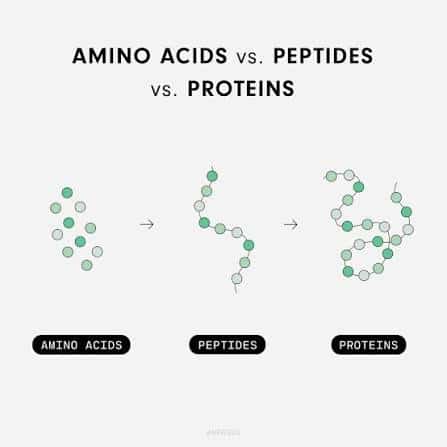
Peptides are short chains of amino acids — the fundamental building blocks of proteins. Unlike full proteins, which can contain hundreds or thousands of amino acids, peptides typically consist of just 2 to 50 amino acids linked together by peptide bonds. These tiny molecular chains carry out essential tasks throughout the body, acting as messengers, hormones, enzymes, and signaling molecules.
Every peptide is defined by its sequence of amino acids and the way those molecules are folded and structured. This sequence gives each peptide its specific function in the body. For example, some peptides control hormone release, while others regulate immune responses, support tissue repair, or even influence how fat is stored and burned.
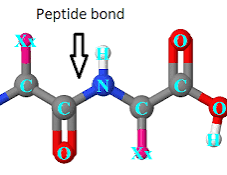
From a molecular standpoint, peptides are formed when the carboxyl group (–COOH) of one amino acid bonds with the amino group (–NH₂) of another. This peptide bond results in a stable but flexible backbone, allowing the chain to twist into active shapes. The unique shape of a peptide determines how it interacts with cellular receptors — often locking into place like a key into a lock.
In nature, peptides are produced both inside cells (via gene expression) and outside through digestion, enzymatic processes, or external synthesis. In research and biotechnology, peptides can now be synthesised in the lab, making them powerful tools for science and medicine — including applications in anti-aging, muscle growth, fat loss, gut health, immune support, and even cognitive enhancement.
Importantly, peptides are generally smaller and more targeted than proteins, which often means they can be more bioavailable and carry fewer side effects. Because many peptides mimic or enhance natural body processes, they’re increasingly studied in medical and research contexts for their potential to support healing, hormone regulation, and overall cellular function.
Whether naturally occurring or laboratory-designed, peptides represent a cutting-edge field of science — one that blends biology, chemistry, and medicine in powerful ways. As we learn more about how peptides function at the molecular level, their role in health and human optimisation continues to grow.
Peptide-Based Creams, Shampoos, and Ointments
Peptides aren’t just used in research or injections — they’ve become a popular and powerful ingredient in over-the-counter skin, hair, and anti-aging products. These legal, cosmetic-grade peptides are backed by science and can be found in creams, shampoos, serums, and ointments designed to improve your appearance and support healthy aging.
Common Cosmetic Peptides and Their Uses
- Matrixyl (Palmitoyl Pentapeptide-4): Stimulates collagen production and smooths wrinkles. Found in many anti-aging face creams.
- Argireline (Acetyl Hexapeptide-8): Known as "Botox in a jar", this peptide helps reduce expression lines by relaxing facial muscles.
- Copper Peptides (GHK-Cu): Promote skin regeneration, improve elasticity, and even assist in hair regrowth when used in shampoos or scalp serums.
- Oligopeptides: Often used in eye creams to reduce puffiness, fine lines, and dark circles by improving circulation and cell turnover.
- Myristoyl Pentapeptide-17: Found in eyelash and eyebrow serums to promote stronger, longer growth.
- Biomimetic Peptides: Imitate natural growth factors to support skin repair and hydration in moisturisers and soothing balms.
How These Peptides Work
Topical peptides are short chains of amino acids, typically made up of 2 to 20 amino acids. These chains act as signalling molecules, triggering cells to perform functions like collagen production, elastin repair, or hair follicle stimulation. Unlike injectables, they work at the surface level but can still penetrate the skin barrier when paired with the right carrier ingredients.
While topical peptides won’t match the systemic effects of injectable forms, their benefits for surface-level beauty and maintenance are well-documented. The skin and scalp absorb these active ingredients over time, providing subtle but cumulative effects with consistent use.
Legality and Availability
All the peptides listed above are classified as cosmetic ingredients and are legal for over-the-counter purchase in most regions. They can be found in high-street products, specialist serums, and online skincare brands focused on anti-aging and hair regrowth.
Always check the concentration and formula — look for products with listed peptide percentages and complementary ingredients like hyaluronic acid, niacinamide, or ceramides to boost effectiveness.
Popular Product Types
- Peptide Eye Creams – Reduce puffiness, dark circles, and fine lines.
- Peptide Shampoos and Serums – Support scalp health and stimulate follicles.
- Peptide Moisturisers – Firm, hydrate, and improve skin texture.
- Anti-Aging Serums – Use concentrated peptide blends to reduce visible aging.
- Lash and Brow Growth Serums – Help strengthen and lengthen hair in targeted areas.
For anyone looking to improve skin tone, boost hair health, or slow visible signs of aging — topical peptides offer a convenient and effective legal option backed by real science.
Approved Peptides in Clinics
Some peptides are fully licensed for medical use, while others are being used legally in clinical trials or under off-label supervision. This section focuses on approved GLP-1s and other peptide-based medications that are making a real-world impact.
✅ GLP-1 Receptor Agonists (Licensed)
These GLP-1 peptides mimic natural hormones involved in appetite, insulin response, and metabolism. Many are licensed in the UK for type 2 diabetes or weight loss treatment.
- Semaglutide (Ozempic, Wegovy) – MHRA approved for diabetes and obesity.
- Tirzepatide (Mounjaro) – Approved in UK for type 2 diabetes and weight loss.
- Liraglutide (Victoza, Saxenda) – Licensed for both diabetes and obesity.
- Exenatide (Bydureon, Byetta) – Used in clinics for type 2 diabetes management.
- Dulaglutide (Trulicity) – NHS-approved treatment for T2 diabetes.
- Lixisenatide – Available as part of combination treatments for T2D.
⚠️ Other Peptides Used in Clinics or Trials
- Pemvidutide (ALT-801) – Dual GLP-1/glucagon agonist in clinical trials for obesity.
- BPC-157 – Used off-label in regenerative medicine. Research ongoing into tissue healing.
- TB-500 (Thymosin Beta-4 fragment) – Studied for injury recovery and inflammation control.
While BPC-157 and TB-500 are not licensed for human use, they are used in private clinics under careful supervision, especially in the context of research and injury recovery.
⚙️ What Makes These Peptides Legal?
In the UK, drugs must be licensed by the MHRA to be prescribed through NHS or private practice. GLP-1 agonists meet this standard. Other peptides may be used in research, specialist clinics, or private protocols where they are not explicitly banned and are sourced responsibly.
Some clinics legally offer unlicensed peptides under a research-use or specialist care model, particularly when there is emerging science or a lack of other effective treatments. This includes some peptide creams, injectables, or therapies provided under strict medical guidance.
⚖️ Stay Informed
Always check local laws and medical guidance when using or researching peptides. Not every clinic-approved treatment is fully licensed, and safety depends on dose, purity, and proper use.
Research Peptides & Common Claims
Below is a list of peptides commonly featured on research peptide websites. These compounds are sold for lab use only and are often marketed with various unverified health or performance claims. The summaries below reflect what’s typically advertised — not confirmed medical evidence.
- Semaglutide – GLP‑1 receptor agonist. Claims: appetite suppression, weight loss, improved insulin sensitivity.
- Tirzepatide – Dual GLP‑1/GIP agonist. Claims: powerful weight loss, metabolic benefits, reduced appetite.
- Retatrutide – GLP‑1/GIP/glucagon tri‑agonist. Claims: enhanced fat loss, appetite regulation, future potential.
- BPC‑157 – Synthetic peptide studied for tissue and gut healing. Claims: rapid recovery, anti-inflammatory, regenerative effects.
- TB‑500 – Fragment of Thymosin Beta‑4. Claims: muscle and tendon repair, wound healing, improved recovery.
- CJC‑1295 – Growth hormone releasing hormone analogue. Claims: boosted GH/IGF‑1, anti‑ageing, improved sleep and fat loss.
- Epitalon – Tetrapeptide studied for anti‑ageing. Claims: telomerase activation, oxidative stress reduction, longevity support.
- Sermorelin – GHRH fragment. Claims: increased GH production, anti‑ageing, improved recovery and sleep.
- Examorelin – Ghrelin receptor agonist. Claims: stronger GH release, energy boost, fat metabolism support.
Caution & Legality
Most of these peptides are not approved for human use and are sold under 'research only' disclaimers. Clinical evidence may be limited or based on early-stage trials and animal studies. Products may vary in purity and safety. Always follow your country’s laws and use legitimate sources when researching peptides.
Research Peptide Sources: What to Watch For
When exploring research peptide suppliers online, you’ll find a wide range of companies claiming “high quality” or “lab-grade” peptide products. Some truly are legitimate with solid practices, but many use shortcuts — fake reviews, inflated claims, unrealistic pricing, or misleading imagery — to rank high in Google searches and win customer trust.
⚠️ Common Red Flags
- Fake Reviews & Astroturfed Testimonials: Look out for overly enthusiastic, generic reviews that appear in clusters (same day, similar wording, too perfect). These are often computer‑generated or paid.
- Stock / Computer‑Generated Images: Suppliers sometimes use generic lab-shots, CG mockups, or images that are clearly not of their own facility or product.
- No Third‑Party Testing Certificates: Legitimate suppliers often provide lab reports or certificates of analysis (CoA) from independent labs verifying purity and identity.
- Highly “Optimised” Websites: Sites may employ excessive optimisation (SEO tricks) to rank, despite weak transparency or poor compliance.
- Ambiguous Legal Disclaimers: Research-only or “not for human use” disclaimers are signals — either legal cover or attempt to avoid regulation, depending on context.
✅ Indicators of Good Suppliers
- Clear Product Information: Includes full names, sequences, purity percentage, storage instructions, batch numbers.
- Third‑Party Test Reports / CoAs: Independent lab testing, accessible to customers. Sometimes scanned PDF, or downloadable from site.
- Transparent Policies: Refunds, shipping, labelling, customer service contact info all clearly available.
- Reputable Payment Methods: Credit card, PayPal, bank transfer (with traceability). Avoid suppliers insisting on cryptocurrency or overly complex payment systems without documentation.
- User Feedback via Trusted Sources: Forums, Reddit, academic or lab references (with screenshots). Not just site reviews but community or third-party references.
🔍 Steps You Can Take to Verify a Supplier
- Search for their name + “certificate of analysis” or “lab report” in Google.
- Check image metadata (if available) or reverse‑image search supplier images to see if they’re reused stock photos.
- Look for academic / independent reviews or user reports outside of their own site (social media, forums, lab groups).
- Test small orders first — check potency, shipment conditions, packaging.
- Monitor consistency — reliable suppliers often have stable product‑quality, shipping times, and clear communications.
In high-risk product categories like research peptides, being cautious isn’t optional — it’s essential. Your safety, research integrity, and results depend heavily on using a trustworthy source. Use this checklist as your shield when navigating this space.
Understanding MG to MCG Conversion
When working with peptides, doses are typically listed in milligrams (mg) or micrograms (mcg). The conversion is simple:
1 milligram (mg) = 1000 micrograms (mcg)
Most 1ml insulin syringes are marked from 0 to 100 in steps of 10 — so you’ll see labels like 10, 20, 30… up to 100. This means:
Each 10-unit mark = 0.1ml — so think of the syringe as 10 equal parts.
💉 Example 1: 5mg Peptide + 2ml Bacteriostatic Water
- You dissolve 5mg of peptide into 2ml of bacteriostatic water.
- That gives you 200 total units across both millilitres.
- 5mg = 5000mcg, spread over 200 units = 25mcg per unit.
- 10 units = 250mcg — so the “10” mark on your syringe = 250mcg dose.
💉 Example 2: 10mg Peptide + 2ml Bacteriostatic Water
- You dissolve 10mg of peptide into 2ml of bacteriostatic water.
- That’s still 200 total units.
- 10mg = 10,000mcg, divided by 200 units = 50mcg per unit.
- 10 units = 500mcg — so the “10” mark = 500mcg dose.
💡 Tip: If you’re ever unsure, break the math down based on your water volume and peptide strength. And always double-check before using.
Peptides: The Research Revolution
Peptides are rapidly gaining attention in the world of health, performance, and longevity. Many peptides are already showing remarkable benefits — from faster recovery and fat loss to cognitive enhancement, skin regeneration, and improved hormone function.
What makes peptides so unique is their precision. These short chains of amino acids can act like targeted signals in the body — triggering growth, healing, or repair in specific areas without disrupting everything else.
Dozens of peptides are currently being studied in labs and clinics around the world. Some are already approved for medical use, while others remain in the research phase — showing powerful results in early data but not yet fully licensed or regulated for mainstream treatment.
⚠️ A Word of Caution
Not all peptides are approved for human use. Many research peptides are sold strictly for laboratory or development purposes — often labelled as “not for human consumption” for legal reasons. These peptides may vary in purity, effectiveness, and safety depending on the supplier.
Always be cautious when exploring research compounds. Only use legitimate sources, look for third-party testing (Certificates of Analysis), and follow your country’s laws and regulations. Avoid anything with fake reviews, unrealistic claims, or vague product information.
🔬 The Bottom Line
Peptides are one of the most exciting frontiers in modern health science. Whether used in clinics, explored in research, or formulated into cosmetic and wellness products — they offer real potential. But smart use and responsible sourcing are key.
Research peptides aren’t magic. But with the right science behind them, they could change everything.


Peptides: Power Tools for Modern Health and Longevity
Peptides are revolutionising the landscape of modern health, acting as biological messengers that regulate, repair, and enhance countless processes in the human body. These short chains of amino acids are often overlooked compared to larger proteins, but their targeted effects have made peptides one of the most promising tools in regenerative medicine, weight management, and anti-aging science.
The science behind peptides is rooted in their precision. Unlike traditional pharmaceuticals that often have broad effects, peptides can be tailored to act on very specific receptors or tissues. This means fewer side effects and a better safety profile. Many peptides mimic natural hormones, growth factors, or neurotransmitters, allowing them to "speak the body’s language" and enhance processes already present in human physiology.
For instance, growth hormone releasing peptides (GHRPs) like Ipamorelin or CJC-1295 stimulate the natural release of human growth hormone (HGH). These peptides are not anabolic steroids — they simply prompt your body to produce more of its own growth hormone, which can assist in fat loss, muscle repair, and improved sleep. The result is enhanced recovery and performance without synthetic hormone replacement.
Peptides are also powerful tools in injury repair. BPC-157 and TB-500 are two of the most widely researched healing peptides. They help repair tendons, muscles, ligaments, and even gut lining. TB-500 works by promoting cell migration and blood vessel growth, accelerating recovery from both chronic and acute injuries. Meanwhile, BPC-157 has shown impressive results in tissue regeneration and inflammation control.
One area where peptides have truly exploded is metabolic health. Synthetic GLP-1 receptor agonists like semaglutide and tirzepatide are technically peptides. They mimic the GLP-1 hormone, which controls blood sugar, delays gastric emptying, and reduces appetite. This makes them highly effective for weight loss and type 2 diabetes management. Their rise in popularity has opened the door to a new generation of therapeutic peptides.
Outside of weight loss and performance, peptides are now making headlines in cognitive enhancement. Nootropic peptides such as Semax and Selank are being used to improve focus, reduce anxiety, and protect neurons from stress-induced damage. These peptides act on the central nervous system to regulate neurotransmitters like dopamine and serotonin, improving mental clarity and resilience.
Dermatology and skincare have also embraced peptides. Copper peptides, Matrixyl, and Argireline are commonly found in anti-aging serums and eye creams. These peptides boost collagen production, reduce fine lines, and improve skin elasticity. Because of their small molecular size, they penetrate deeply into the skin and communicate directly with fibroblast cells to stimulate rejuvenation.
Peptides are even being explored in immunology and oncology. Some experimental cancer therapies involve peptides that trigger immune responses or inhibit tumour growth. Their versatility is unmatched — scientists can sequence specific amino acids to create custom peptides that influence nearly any biological target with extreme accuracy.
To understand the scope and impact of peptides, it’s useful to explore the existing medical literature. Trusted platforms like PubMed offer thousands of peer-reviewed studies exploring peptides in clinical settings. Whether the topic is healing, hormone modulation, or neuroprotection, peptides continue to show enormous therapeutic value.
Another trusted educational resource, Britannica, offers a foundational overview of what peptides are and why they matter. From their chemical structure to their biological roles, these references help demystify the science for researchers, clinicians, and even health-conscious individuals exploring peptide therapy.
For those interested in peptides, sourcing is critical. Not all peptides are created equal, and purity matters. Research-grade peptides should be independently tested and clearly labelled. Quality assurance is non-negotiable when working with compounds that affect core systems like hormones, tissue repair, or neurological health.
In the UK and beyond, peptides are typically sold for research purposes only. This is due to strict regulatory frameworks surrounding human consumption. However, there is growing interest from patients, clinics, and practitioners who see peptides as the future of precision health. With correct use, they offer a level of control and customisation that traditional medications often lack.
The field of peptide research is expanding quickly. New peptides are being synthesised, tested, and deployed in real-world applications every year. From weight loss clinics to anti-aging centres, the real-world interest in peptides is skyrocketing. Their affordability, effectiveness, and minimal side effects make them a smart choice for those looking to optimise their health at a molecular level.
In conclusion, peptides are no longer a fringe interest. They’re now at the forefront of medical innovation, offering real answers to long-standing health challenges. Whether you're focused on recovery, weight loss, mental clarity, or slowing down aging, peptides might just be the missing link in your health strategy. Their future is bright — and it’s only just getting started.
Understanding Peptides and Their Expanding Role in Modern Health
Peptides are short chains of amino acids that act as powerful messengers within the body. These naturally occurring compounds regulate numerous biological functions, from hormone production and immune support to tissue repair and fat metabolism. In recent years, the interest in peptides has exploded as researchers and clinicians uncover their potential in enhancing human health, longevity, and physical performance.
Unlike larger proteins, peptides are small enough to interact with cells more precisely, delivering specific instructions without triggering widespread immune responses. This makes them ideal candidates for targeted therapies and wellness interventions. The use of peptides is now seen across a variety of sectors, including sports science, age management, cognitive health, skin rejuvenation, and weight regulation.
Peptides in Medical Research and Therapeutic Applications
One of the primary reasons peptides have gained so much attention is their versatility in medical treatments. From insulin—arguably the most well-known peptide hormone—to newer agents like Semaglutide and Tirzepatide used in metabolic regulation, peptides are helping to revolutionise how we treat chronic conditions. Peptides are also being explored in cancer research, wound healing, and even vaccine development, offering targeted pathways for intervention with fewer side effects.
In regenerative medicine, synthetic peptides like BPC-157 and TB-500 are showing promise for accelerating recovery, reducing inflammation, and supporting tissue regeneration. These compounds mimic natural processes in the body and are often well-tolerated when used correctly in research settings. Their growing popularity is testament to their perceived effectiveness and broad utility.
How Peptides Work in the Human Body
Peptides work by binding to receptors on the surface of cells, triggering intracellular changes that influence various physiological processes. Each peptide has a unique sequence that determines its function—some enhance growth hormone release, others affect insulin sensitivity, while certain peptides improve gut lining integrity or cognitive sharpness. Because of this precision, peptides are often preferred over traditional drugs for certain applications.
The body produces and degrades peptides naturally, but external supplementation can support or mimic these internal mechanisms when they’re out of balance. This is particularly relevant in ageing populations or individuals facing metabolic dysfunction, where restoring certain peptide levels may help restore vitality and function.
Peptides in Longevity and Anti-Ageing Strategies
Peptides are increasingly being integrated into longevity protocols. Compounds like Epithalon and FOXO4-DRI are studied for their potential to lengthen telomeres, promote DNA repair, and manage senescent cells. This area of research is still developing, but early data is promising. Additionally, peptides involved in mitochondrial function, such as MOTS-c and SS-31, are being evaluated for their ability to improve energy output and resilience in ageing cells.
In the context of anti-ageing skin treatments, peptides are already widely accepted. Cosmetic products often include collagen-boosting peptides to reduce wrinkles and improve skin elasticity. While topical application has its limits, injectable or transdermal peptide systems may soon enhance these outcomes significantly.
Safety, Legitimacy, and Misuse of Peptides
While peptides offer significant promise, not all products are created equal. The rise of unregulated suppliers has led to concern over the safety, purity, and legitimacy of certain peptide sources. Research-grade peptides should always be obtained from trusted, lab-tested sources with transparent manufacturing practices. Misuse or improper dosing can lead to side effects or diminished benefits.
It is also crucial to differentiate between peptides that are approved for clinical use versus those intended for research. Many peptides are still undergoing testing and have not been authorised for human consumption. Consumers should be aware of legal and ethical considerations when exploring peptide use.
The Future of Peptide-Based Innovations
Peptides are fast becoming a foundation for precision medicine. With advancements in AI-driven drug discovery and synthetic biology, researchers can now design custom peptides tailored to specific conditions. This opens the door for peptide-based treatments in areas like neurodegeneration, autoimmune disorders, obesity, and even personalised cancer immunotherapy.
Moreover, biohackers and high-performance athletes are pushing the boundaries of what peptides can achieve. From improved recovery times to sharper focus and leaner body composition, peptides are being used experimentally to redefine what’s physically possible. However, as with all cutting-edge interventions, responsible use is critical.
Conclusion: Peptides as a New Frontier in Health
The field of peptides is rapidly evolving. What started as a niche scientific interest has now become a global focus in wellness, anti-ageing, and medical innovation. With their unique ability to target specific pathways in the body, peptides are poised to play a significant role in the future of human health.
For those considering peptide research or supplementation, it is essential to stay informed, work with trusted sources, and prioritise safety. Peptides are powerful tools—but like all tools, their impact depends on how wisely they are used.
To explore more about peptide research and real-world applications, you can visit: WebMD: What Are Peptides? and NIH: Therapeutic Peptides Overview.
Also explore related research from our blog:
The Growing Role of Peptide Science in Modern Wellness
The use of peptide therapy has rapidly gained traction among researchers, clinicians, and biohackers seeking highly targeted solutions to common health challenges. Unlike conventional pharmaceuticals, a peptide is a short chain of amino acids designed to act as a signaling molecule within the body. These compounds can influence everything from cellular repair to hormone regulation, making them a central focus in emerging health science.
One of the reasons peptide therapy has become so promising is its ability to act with precision. A peptide does not simply flood the system like some medications—it engages directly with specific receptors, often mimicking natural bodily processes. This reduces the likelihood of systemic side effects while allowing for more tailored interventions based on individual needs. Whether in metabolic health, regenerative medicine, or cognitive support, peptide use continues to expand.
In regenerative medicine, a peptide like BPC-157 has been closely studied for its influence on tissue healing and gut integrity. It is believed to promote angiogenesis—the formation of new blood vessels—which plays a crucial role in recovery from injury. Another compound, TB-500, operates on a similar principle, supporting actin binding and cellular regeneration in muscle and tendon repair. Though many findings are still preliminary, the data so far indicates significant potential.
Metabolic Health and Weight Management
There is growing evidence that certain forms of peptide therapy may play a role in improving insulin sensitivity, appetite regulation, and body composition. A peptide like Semaglutide, while best known for its role in type 2 diabetes management, is now widely researched for weight control. It mimics a natural hormone that signals fullness to the brain, effectively helping users reduce calorie intake. Tirzepatide, another compound in this category, works on dual receptors, amplifying its metabolic impact.
As interest in non-surgical weight management grows, the use of each carefully formulated peptide is gaining attention not just from researchers but also from pharmaceutical companies seeking safer, longer-term strategies for obesity and metabolic syndrome. With worldwide obesity rates rising, the right peptide approach may offer a scalable and sustainable solution.
Applications in Age Management and Longevity
Longevity-focused research is now examining how a peptide can influence cellular ageing. Compounds like Epitalon are said to affect telomerase activity, potentially slowing the shortening of telomeres, which are associated with cellular ageing and senescence. While clinical trials remain limited, biohackers and age-management clinics alike are exploring these tools as part of a larger anti-ageing protocol.
In addition, MOTS-c is a mitochondrial-derived peptide believed to influence energy production, insulin sensitivity, and metabolic resilience. These types of interventions signal a shift from reactive care toward proactive optimisation of health, especially in individuals over 40 looking to maintain energy and reduce risk factors.
Cosmetic and Skin Health Applications
Topical and injectable forms of peptide therapy are being used in cosmetic dermatology. Certain formulas stimulate collagen production, reduce inflammation, and improve elasticity. For example, copper peptide complexes are found in numerous high-end skincare lines, based on their potential to improve wound healing and skin texture. In-office treatments involving a custom peptide blend are also being explored as alternatives to Botox or filler, focusing instead on regenerative stimulation rather than structural alteration.
The appeal lies in the minimal invasiveness of these treatments. A peptide-based approach generally avoids the frozen appearance associated with cosmetic injections and instead encourages the skin to repair and renew itself naturally over time.
Peptide Legitimacy and Quality Control
Not all sources of peptide compounds are created equal. The unregulated supplement market is filled with grey-area suppliers offering research products of questionable purity. This poses risks—not only in terms of physical safety but also in terms of misleading research outcomes. For scientific or personal use, ensuring that each peptide is lab-tested, independently verified, and sourced from a reliable manufacturer is essential.
Organisations such as the National Center for Biotechnology Information and WebMD provide insight into the science behind each peptide. It is highly recommended to consult sources like these when researching use cases or protocols.
Ethical and Legal Considerations
Peptide therapy often exists in a regulatory grey area. Some compounds are FDA-approved for specific uses, while others remain research-only or unapproved for human consumption. This means that the context of use matters greatly. In the United Kingdom and across Europe, many peptides are restricted to clinical trials or veterinary contexts. However, the availability of research chemicals online has made access easier—raising concerns over self-administration, dosing accuracy, and the spread of misinformation.
As interest increases, we expect to see more formal regulatory frameworks put in place. Until then, due diligence is essential. Anyone exploring a peptide regimen should seek professional guidance and verify that the product meets appropriate quality and legal standards.
The Biohacking Movement and Personal Optimisation
The rise of the biohacking community has accelerated interest in tools like nootropics, NAD+, red light therapy, and of course, peptide regimens. Enthusiasts often combine a peptide with nutritional strategies, fitness, and tracking devices to optimise every aspect of performance. While many of these practices are ahead of clinical validation, they offer an interesting glimpse into the future of self-directed health care.
It’s important to remember that while one peptide may work well for enhancing recovery, another might support mental clarity, and yet another might help reduce visceral fat. This makes personalised protocols extremely important, as the wrong combination or poorly timed use could reduce effectiveness or cause side effects.
Real-World Education and Practical Guidance
In a world flooded with health claims, our goal is to provide factual, well-researched content that breaks down complex peptide science into something understandable. We believe that when people are educated, they make better choices for themselves, their clients, or their research goals.
For real-world applications and tested insight, we recommend exploring our in-depth resources:
Peptide science is rapidly advancing. As new discoveries unfold, the opportunity to use these tools responsibly and effectively becomes greater. With the right information and guidance, peptide-based solutions may become part of everyday wellness strategies in the not-so-distant future.
How a Peptide Can Help Unlock Next-Level Health Strategies
In the fast-moving world of health science and performance optimisation, the word "peptide" has begun to stand out. Once limited to laboratory studies and medical research, a peptide is now at the centre of cutting-edge wellness protocols being used around the globe. These short chains of amino acids are far more than just basic molecules—they act as messengers within the body, instructing cells to repair, grow, regenerate, or reduce inflammation, depending on the application.
Unlike generic supplements or broad-spectrum medications, a peptide has a unique ability to target very specific biological pathways. This precision has made it one of the most exciting developments in areas ranging from injury recovery to cognitive enhancement. As awareness increases, so does demand—for both reliable education and trustworthy access to high-quality peptide products.
Researchers are studying dozens of different peptide compounds for everything from boosting metabolism to supporting cardiovascular function. Some have been investigated for decades, while others are newly developed. Regardless of their origin, the potential behind each individual peptide is drawing attention from medical professionals, sports scientists, and even tech CEOs focused on longevity and cognitive performance.
Why Peptide Therapy Is Gaining Popularity
Part of the appeal lies in how close to nature these compounds really are. A peptide mimics or enhances existing biological signals. This means the body often recognises it quickly, with fewer side effects compared to synthetic drugs. Take BPC-157, for example—a peptide derived from a gastric protein, studied for its ability to repair gut lining and soft tissue. Or TB-500, which supports muscle recovery and regeneration, especially useful in both athletic and rehabilitation settings.
These aren't miracle cures, but the targeted nature of each peptide makes them powerful tools when used correctly. Many users have found success when combining these compounds with nutrition, movement, and healthy routines. It’s not just about taking a substance—it’s about incorporating it into a larger strategy for health optimisation.
From Metabolic Control to Hormonal Support
Weight management and hormonal balance are two key areas where peptide use has surged. Compounds like Semaglutide and Tirzepatide are often discussed for their ability to regulate appetite and improve insulin sensitivity. A well-placed peptide in a clinical or research protocol can help reduce cravings, stabilise energy levels, and indirectly promote better sleep and mood.
Understanding the science is essential, especially when hormone function is involved. Any peptide that interacts with the endocrine system must be respected. That’s why education and ethical sourcing matter so much. For in-depth analysis on these metabolic tools, review our own case studies on GLP-1 agonists and their differences:
The effectiveness of a peptide often comes down to how well it is integrated into a broader routine. Context is everything. Whether used in research or with practitioner guidance, synergy with other lifestyle factors is key to long-term results.
Ethics, Safety, and Responsible Use
There’s no shortage of bold claims online, but quality and responsibility should always be the priority. A peptide sourced from an unknown supplier or produced without proper lab testing can pose real risks. It’s not just a matter of wasting money—it’s about ensuring the substance behaves the way it’s supposed to inside the body.
Third-party testing, clear documentation, and purity data are essential. Sites like PubChem and Healthline can offer science-backed guidance on how a peptide should function. Combining those resources with internal reviews creates a safer space for exploration and learning.
The Biohacker's Toolkit: More Than Just Supplements
The world of self-optimisation is evolving rapidly. Devices that track sleep, red light therapy setups, hyperbaric chambers, and NAD+ injections are all part of the modern wellness toolkit. And within that toolkit, a peptide offers a very precise lever to pull. For people chasing performance at a high level—mentally or physically—it’s one of the few interventions that sits between food and pharma.
Of course, timing and application matter. A peptide meant to improve cognition might need to be pulsed or cycled. Another used for healing might work best in the days following injury. This level of nuance means it’s never a one-size-fits-all solution. Instead, it’s a flexible, evolving strategy that can adapt with your needs.
Legal Status and Regulatory Updates
In the UK, Europe, and beyond, peptide regulation is a fast-moving topic. Some are classed as research chemicals, others are prescription-only, and a few are available in cosmetic or wellness products. Knowing which category your compound falls under is essential. The line between therapeutic use and research use is thin, and often misunderstood.
That’s why we recommend sticking to trusted platforms, understanding disclaimers, and staying within your country's legal framework. We operate with a strict research-only policy to ensure both safety and compliance, and we encourage all users to approach peptide use with care and responsibility.
What’s Next in Peptide Science?
The future of this field is incredibly exciting. Clinical trials are underway for new compounds, including those that may support mitochondrial efficiency, mood regulation, and even addiction recovery. Some are being studied for their effects on fertility, while others are being explored for immune modulation and inflammation control.
As the data builds, so will the real-world applications. There may come a time when a peptide is part of your standard wellness checkup, just like bloodwork or blood pressure testing. Until then, it’s about learning, sharing, and being careful with how this information is used and applied.
Final Thought
A peptide is not a magic bullet, but it is a sharp tool. In the right hands—with the right understanding—it can help unlock parts of health and recovery that were previously hard to reach. The science is growing, the conversations are evolving, and the potential is undeniable.
At Future Amino, we aim to remain ahead of the curve—always researching, always refining. Whether you're deep into your journey or just beginning, we’re here to provide guidance, insight, and connection to the tools that matter.